
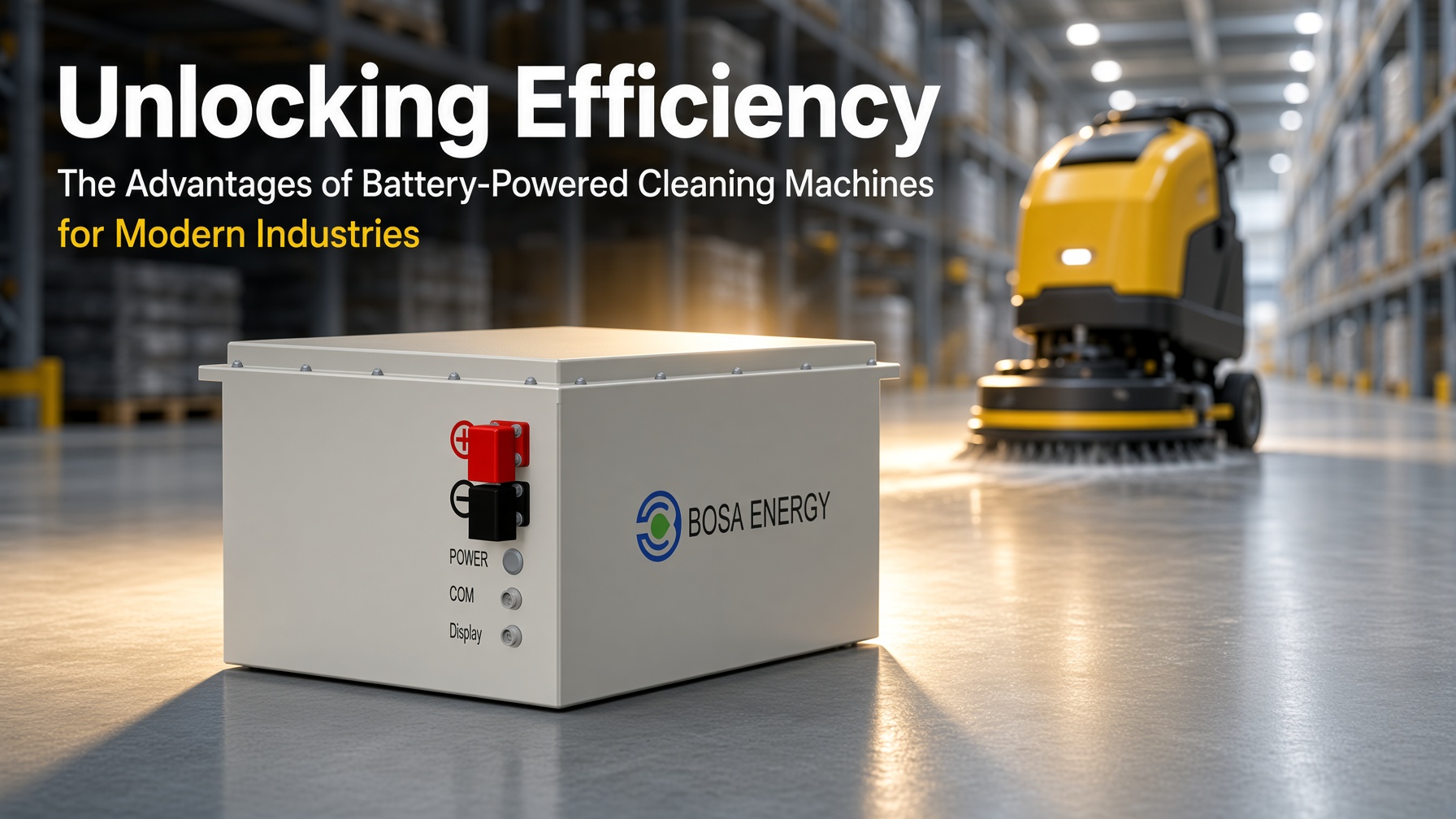
In modern industrial environments, maintaining clean, safe, and efficient workspaces is no longer optional—it is a competitive necessity. Traditional corded or fuel-powered cleaning equipment often creates bottlenecks through limited mobility, high maintenance demands, and environmental constraints. Unlocking Efficiency: The Advantages of Battery-Powered Cleaning Machines for Modern Industries becomes clear when facility managers examine real-world performance data. Battery-powered industrial cleaning machines powered by advanced lithium-ion technology deliver unrestricted movement, lower total cost of ownership, and alignment with sustainability goals that today’s warehouses, manufacturing plants, hospitals, airports, and retail centers demand.
Superior Mobility and Productivity Gains
Corded machines force operators to manage cable length, locate outlets, and frequently stop to reposition. This friction reduces coverage rates. Industry observations show that cordless warehouse cleaning equipment can cover up to 20 percent more area per hour simply by eliminating cord handling. One distribution center reported cutting floor-cleaning time from six hours to 4.5 hours per shift after switching, translating into meaningful labor savings across a week.
Ride-on and walk-behind scrubbers equipped with lithium packs move freely across multi-floor campuses, between buildings, or through long aisles without interruption. The absence of trip hazards further improves safety records; fewer cord-related incidents mean lower workers’ compensation exposure and smoother operations during occupied hours. Quieter electric motors, typically operating in the 55–70 dB range, allow cleaning during business hours rather than overnight only—another direct productivity boost.
Lithium-Ion Technology Transforms Runtime and Uptime
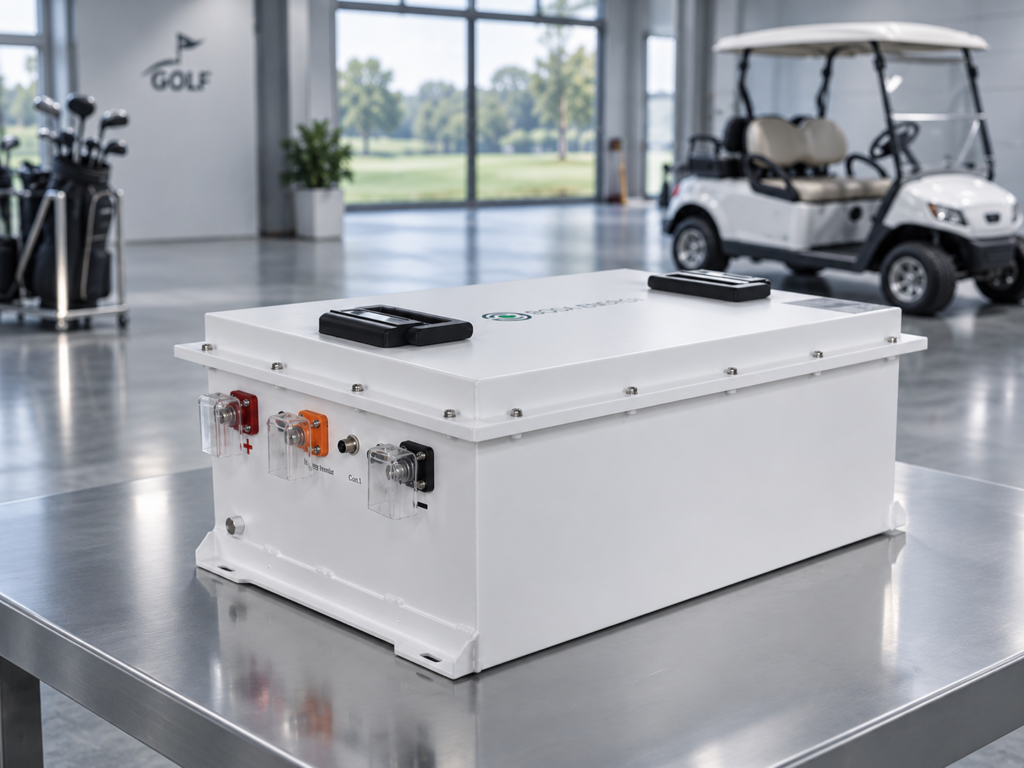
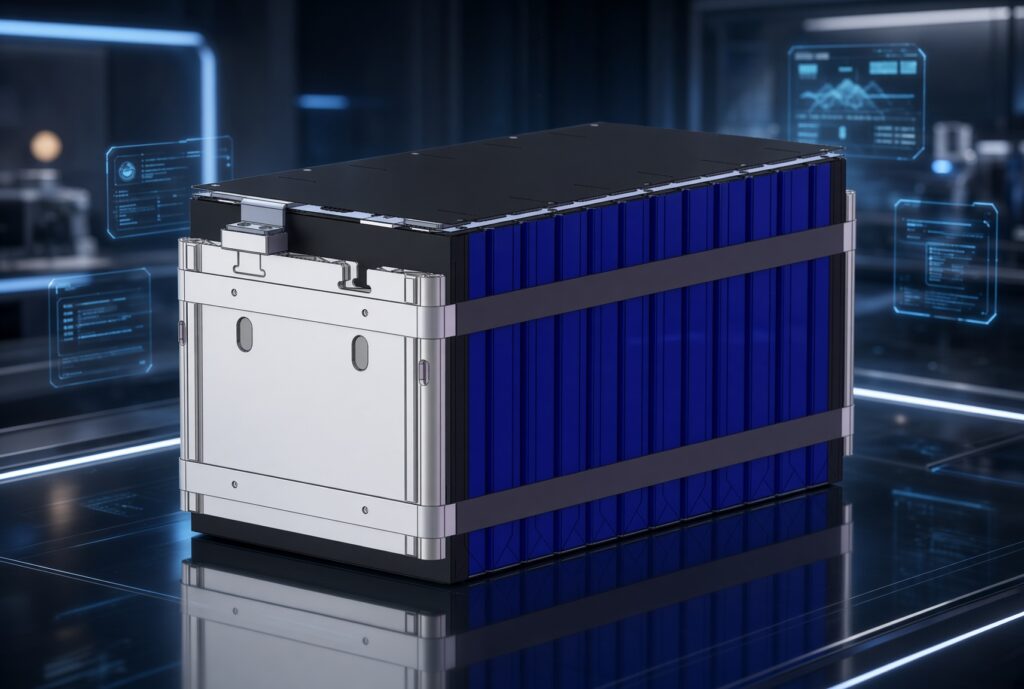
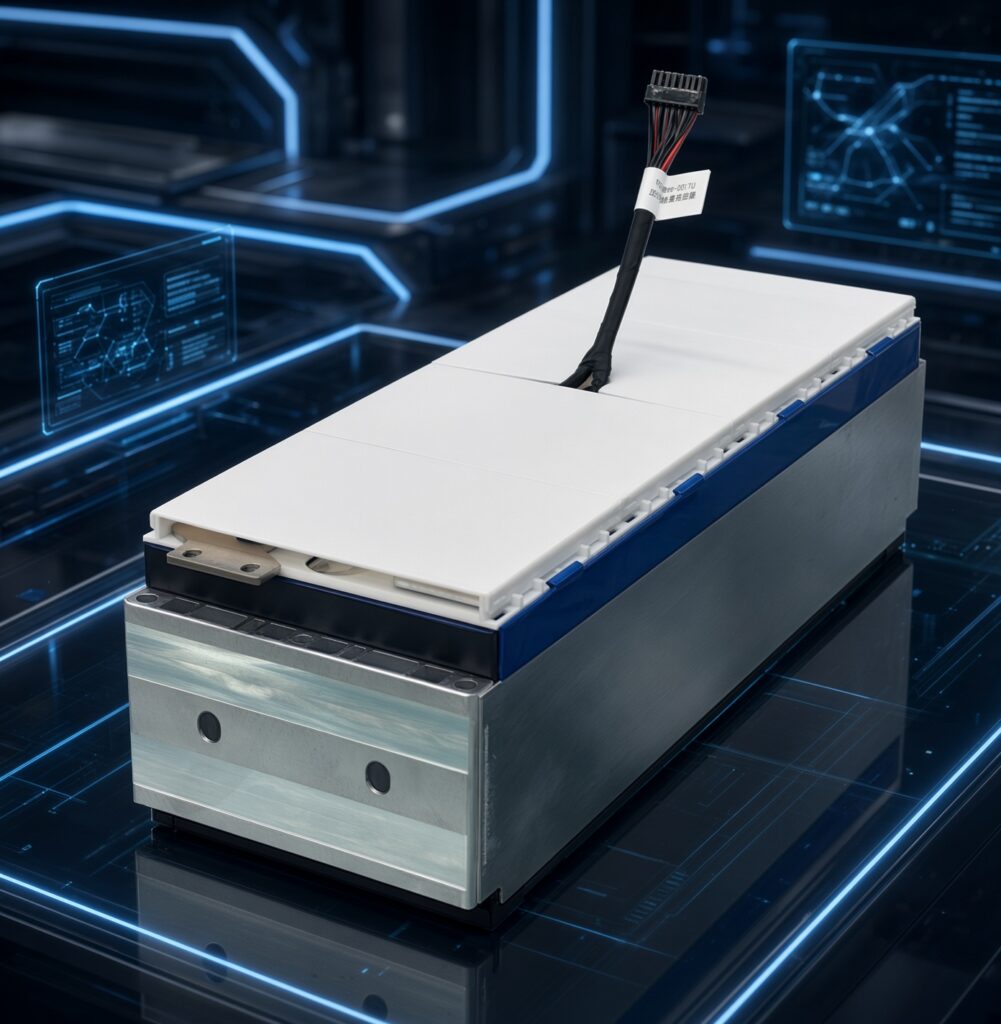
The real leap occurs when lead-acid batteries give way to lithium-ion chemistries. Lithium packs offer energy densities of 260–270 Wh/kg or higher versus 50–100 Wh/kg for traditional flooded lead-acid units—roughly five times the energy in a lighter package. This translates into longer continuous runtimes and machines that remain powerful from the first minute to the last of a discharge cycle, avoiding the voltage sag that slows older equipment.
Cycle life is equally transformative. Quality lithium-iron-phosphate (LFP) and nickel-manganese-cobalt packs routinely deliver 2,000 or more cycles while retaining usable capacity, compared with roughly 500–1,000 cycles for lead-acid. Many manufacturers now warranty lithium systems for five years or longer; lead-acid packs in automatic scrubbers often last only about two years under similar duty cycles. Opportunity charging is a decisive operational advantage: lithium cells accept partial charges without damage, so an operator can top up during a lunch break and resume full-shift work. Lead-acid systems typically require 8–10 hours of charging plus cool-down and cannot tolerate repeated partial cycles without accelerated degradation. As a result, one lithium-powered machine frequently covers two or three shifts where a lead-acid counterpart covers only one.
Dramatic Reductions in Maintenance and Operating Costs
Flooded lead-acid batteries demand regular watering with distilled water, terminal cleaning, equalization charges, and dedicated ventilated charging rooms because they emit hydrogen gas. Miss a watering interval and capacity is permanently lost. Lithium packs eliminate all of these tasks. There is no electrolyte to check, no gassing, and charging can occur almost anywhere on the floor. Visual inspection and basic connector care are usually sufficient.
The financial impact compounds over a five-year horizon. Fewer battery replacements, elimination of watering labor, reduced electricity waste (lithium systems do not require overcharge mixing), and higher machine utilization lower the total cost of ownership. Facilities also avoid the capital outlay for spare machines previously needed to cover long charge windows. Lighter lithium packs reduce wear on drive systems and improve maneuverability, further cutting long-term repair costs.
Environmental and Safety Advantages
Sustainable battery operated cleaning solutions for industries produce zero tailpipe emissions at the point of use. This makes them ideal for food-processing plants, cold storage, pharmaceutical cleanrooms, and retail spaces where propane or diesel exhaust is unacceptable. Lower noise levels improve working conditions for both cleaning crews and building occupants. Because lithium packs contain no free acid, the risk of corrosive spills and associated cleanup is removed.
From a broader sustainability perspective, higher energy efficiency during charging and dramatically longer service life reduce the frequency of battery manufacturing and disposal. When paired with renewable electricity for charging, the carbon footprint of daily cleaning operations shrinks further. Many facility managers now include these metrics in ESG reporting.
Application Across Key Sectors
Warehouses and logistics hubs benefit from continuous aisle coverage without cord management. Manufacturing plants appreciate consistent brush pressure and suction throughout a shift. Hospitals and airports value the combination of quiet operation, zero emissions, and rapid turnaround between cleaning windows. Retail environments gain the ability to clean during open hours without creating trip hazards or disrupting shoppers. Autonomous and semi-autonomous lithium-ion battery powered floor scrubbers further amplify these advantages by freeing labor for higher-value tasks while maintaining predictable coverage.
Implementation Considerations and Best Practices
Selecting the right system involves matching battery capacity and chemistry to duty cycle. LFP chemistry is widely preferred for motive applications because of its thermal stability and long cycle life. Proper charger matching, operator training on opportunity charging, and basic battery management system monitoring maximize lifespan. Most modern machines integrate the battery management system so that runtime estimates, state-of-charge, and health indicators appear on the control panel.
Return-on-investment calculations typically show payback within 18–36 months when labor savings, maintenance elimination, and extended equipment life are included. Pilot programs on a single high-usage route allow facilities to validate runtime and charging logistics before fleet-wide conversion.
Unlocking Efficiency: The Advantages of Battery-Powered Cleaning Machines for Modern Industries is not merely a marketing claim; it is a measurable operational shift driven by lithium-ion battery advances. Facilities that adopt these systems report higher cleaning productivity, lower ongoing costs, improved safety, and stronger sustainability credentials.
Häufig gestellte Fragen
What is the typical runtime of a lithium-powered industrial floor scrubber? Runtime depends on machine size, brush pressure, and floor conditions, but many lithium-equipped walk-behind and ride-on units deliver 3–6 hours of continuous operation per charge, with opportunity charging extending effective daily coverage well beyond a single shift.
How much faster do lithium batteries charge compared with lead-acid? Lithium packs commonly reach a usable charge in 1–3 hours and accept partial charges without damage. Lead-acid batteries often require 8–12 hours for a full charge and need a cool-down period.
Are lithium batteries safer than lead-acid in cleaning machines? Yes. Lithium systems do not emit hydrogen gas, contain no free acid, and include battery management systems that monitor temperature, voltage, and current. This removes ventilation requirements and spill risks associated with flooded lead-acid packs.
What is the expected lifespan of a lithium battery in a floor scrubber? Quality lithium packs in industrial cleaning machines typically deliver 2,000 or more cycles and are often warranted for five years or longer, compared with roughly two years of service for many lead-acid packs under similar conditions.
Do battery-powered machines work in cold storage environments? Standard lithium packs can experience reduced performance in extreme cold, but specialized low-temperature or heated lithium systems are available and perform reliably in cold-storage and freezer applications where propane or diesel units create emissions and ventilation issues.
Abschluss
The transition to battery-powered cleaning equipment, especially when powered by modern lithium-ion technology, represents one of the highest-impact upgrades available to industrial and commercial facility managers. Mobility, uptime, maintenance reduction, and environmental performance combine to unlock measurable efficiency gains. Unlocking Efficiency: The Advantages of Battery-Powered Cleaning Machines for Modern Industries continues to reshape how organizations approach cleanliness, safety, and cost control. As lithium battery energy density, cycle life, and charging speed continue to improve, the advantages will only widen.