
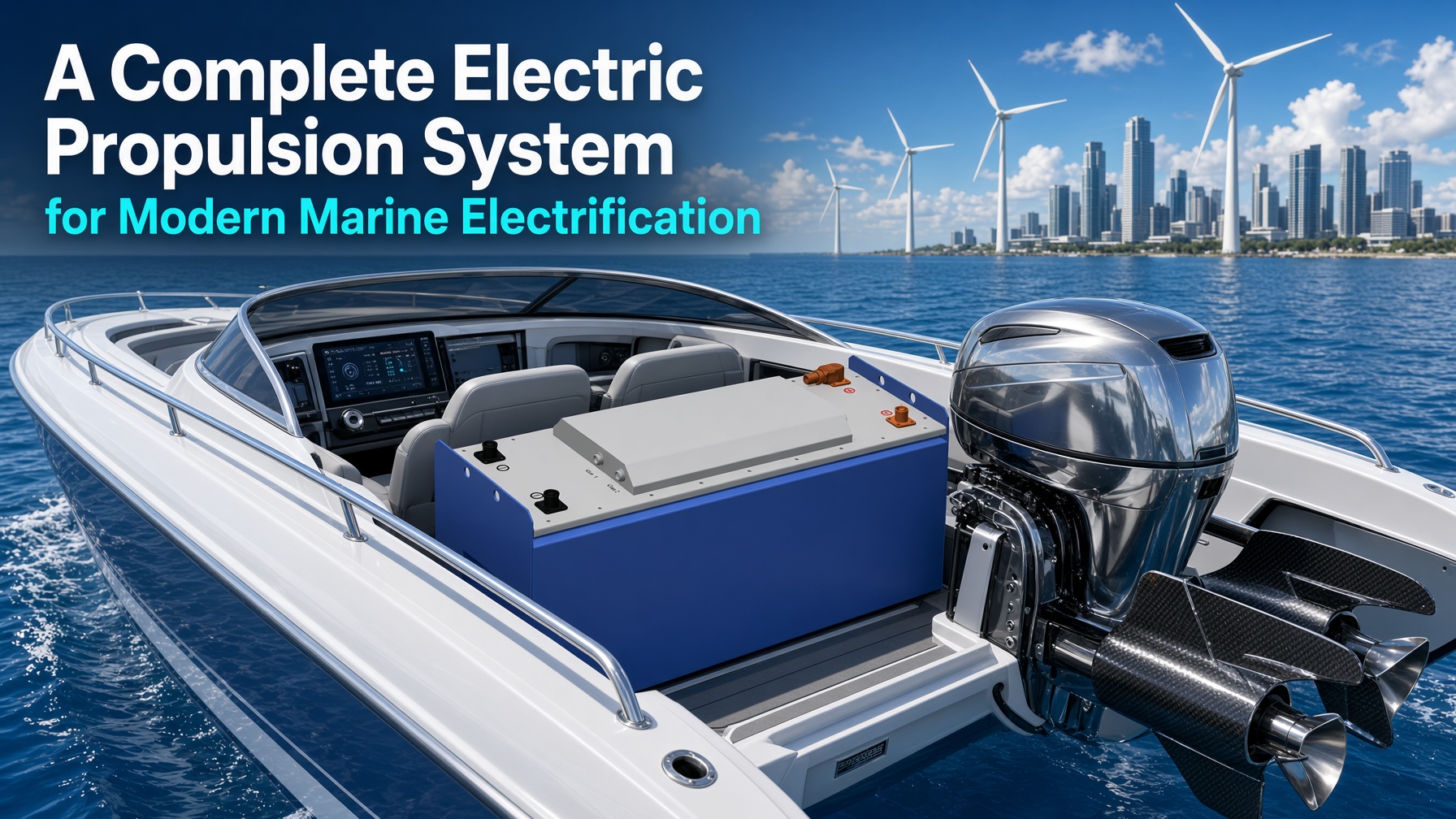
A complete electric propulsion system for modern marine electrification represents one of the most significant technological shifts in the shipping industry in decades. Driven by tightening International Maritime Organization (IMO) greenhouse gas strategies and rising demand for zero-emission operations, vessel owners are replacing or supplementing traditional diesel-mechanical drives with fully integrated electric architectures. At the heart of these systems sit advanced marine lithium-ion battery energy storage systems, which deliver the high power density, rapid response, and cycle life required for both pure-electric and hybrid configurations.
Unlike earlier experimental installations, today’s complete electric propulsion packages combine battery packs, power electronics, electric motors, propellers or waterjets, and intelligent energy management into a single, class-approved solution. This integration allows operators to achieve tank-to-wake efficiencies approaching 70 percent—more than double that of conventional diesel-mechanical plants—while eliminating local emissions in pure-electric mode and cutting fuel consumption by 20–40 percent in hybrid mode.
Core Components of a Modern Electric Propulsion Architecture
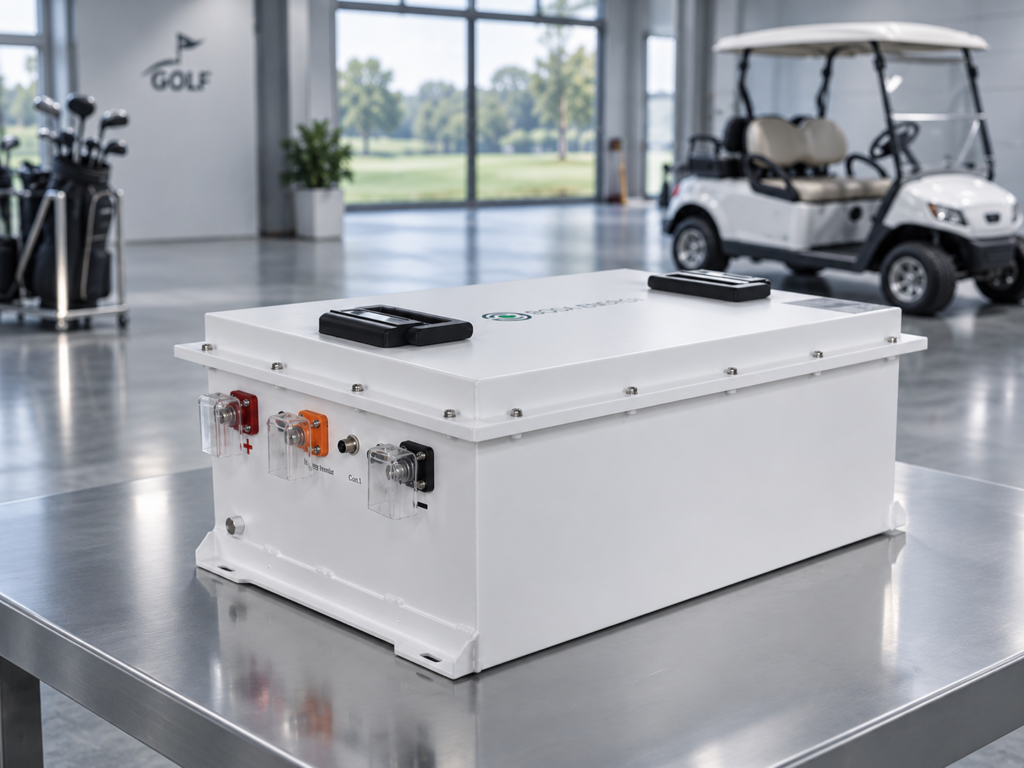
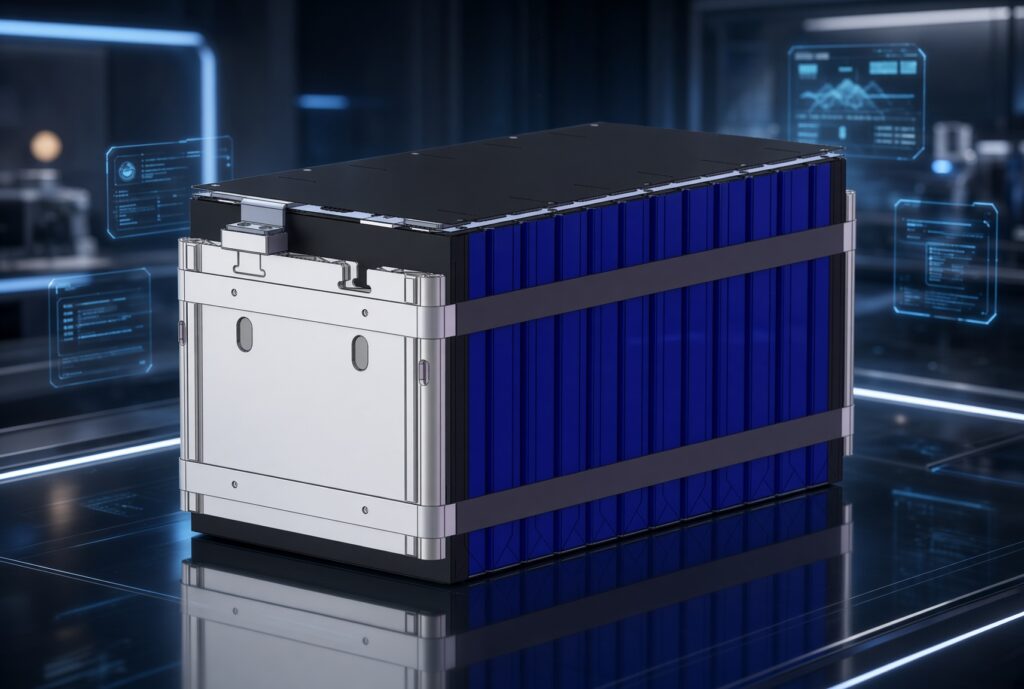
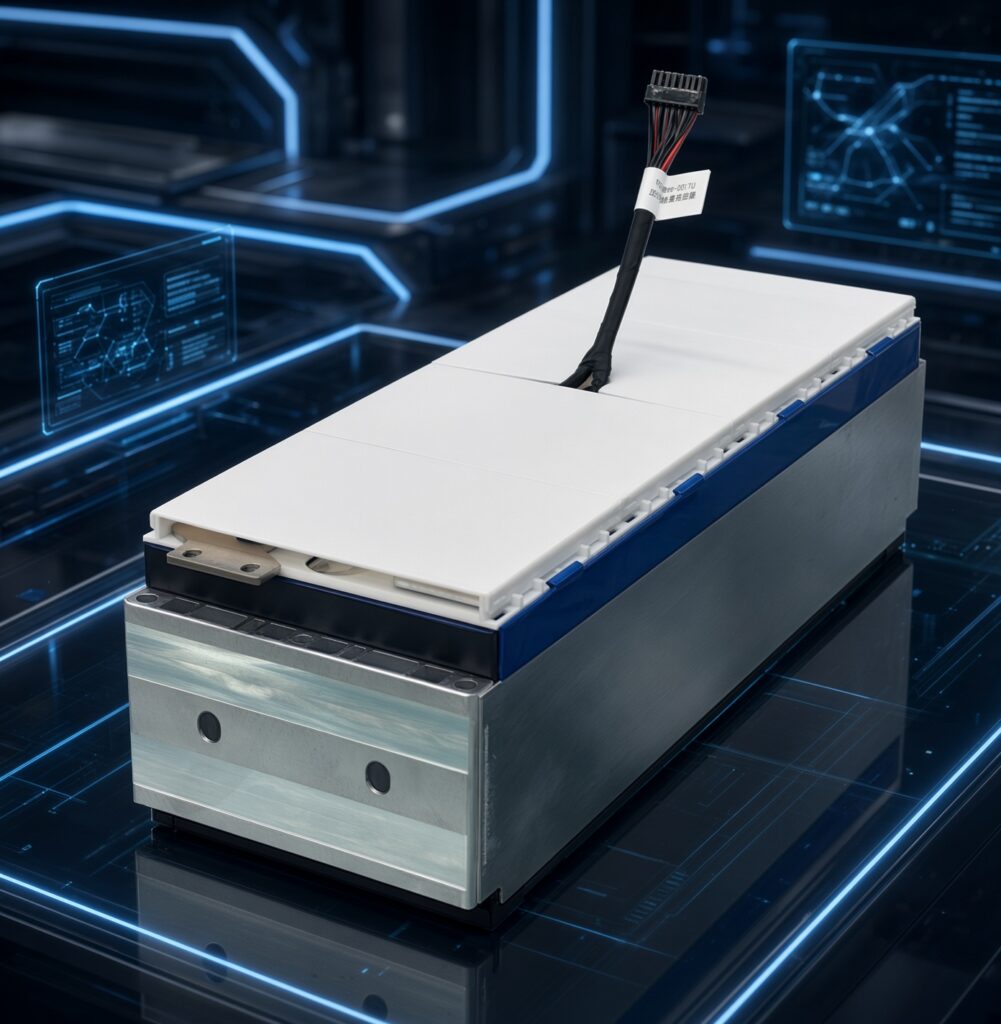
A complete electric propulsion system for modern marine electrification typically comprises several tightly coupled subsystems. The primary energy source is a high-voltage lithium-ion battery energy storage system (BESS), most commonly based on lithium iron phosphate (LiFePO₄ or LFP) chemistry for its superior thermal stability. These high-capacity marine LiFePO4 battery packs are modular, liquid- or air-cooled, and equipped with multi-layer battery management systems (BMS) that continuously monitor cell voltage, temperature, state of charge (SOC), and state of health (SOH).
Power conversion occurs through bidirectional DC/DC converters and inverters that feed a DC or hybrid AC/DC bus. From this bus, variable-speed permanent-magnet or induction motors drive the propellers, azimuth thrusters, or waterjets. An energy management system (EMS) orchestrates the entire plant, deciding in real time whether to draw from batteries, generators, or both, while optimizing for efficiency, emissions, and component lifetime. Auxiliary systems—thermal management, fire detection and suppression, isolation transformers, and redundant switchgear—ensure compliance with classification society rules from DNV, Lloyd’s Register, ABS, and CCS.
Why Lithium Batteries Dominate Marine Electrification
Lithium-ion technology has overtaken lead-acid and nickel-based chemistries because of its combination of energy density (typically 140–180 Wh/kg at pack level for LFP), power density, and cycle life exceeding 6,000–10,000 cycles at 80 percent depth of discharge. In marine service, LFP is preferred over NMC or NCA for safety: thermal runaway onset temperatures are substantially higher (often above 250 °C versus ~200 °C), and the chemistry shows greater tolerance to nail penetration and overcharge events.
For short-sea ferries, harbor craft, and inland vessels, pure-electric operation is already commercially viable. Larger hybrid installations use batteries for peak shaving, spinning reserve, and zero-emission port stays. Real-world examples include the fully electric ferry Ellen (Denmark), which completed a 90 km voyage on a single charge, and multiple Wärtsilä HY hybrid systems that have demonstrated 30–40 percent fuel savings on bulk carriers and RoPax vessels.
Performance, Efficiency, and Regulatory Alignment
Electric propulsion motors maintain high efficiency across a wide speed range and deliver instant torque, improving maneuverability in confined waters. When paired with hybrid marine electrification solutions, generators can be kept at their most efficient load points while batteries absorb load fluctuations and provide hotel power in port. The result is not only lower fuel use but also reduced maintenance, lower noise and vibration, and the ability to meet local emission control area (ECA) and zero-emission port requirements without exhaust after-treatment.
Classification societies and flag administrations have published detailed guidelines for lithium-ion installations (for example, UK MGN 550 and equivalent class rules). These address battery space ventilation, fire protection, thermal runaway propagation prevention, and electrical isolation. Compliance with these standards, together with UN 38.3 transportation testing and marine type approval, is essential for insurance and operational acceptance.
Real-World Deployment and Scalability
From small recreational craft using 48 V high-capacity marine LiFePO4 battery packs to multi-megawatt systems on passenger ferries, the technology scales effectively. Containerized battery rooms, swappable traction battery containers (already under consideration by the IMO), and shore-charging infrastructure at terminals are expanding rapidly, particularly in Northern Europe and China. Digital twins and AI-based energy management further optimize charge-discharge profiles, predict remaining useful life, and reduce unnecessary cycling.
A complete electric propulsion system for modern marine electrification is therefore no longer a niche experiment. It is a mature, class-approved architecture that delivers measurable operational, environmental, and economic benefits when correctly engineered around high-performance lithium battery systems.
Challenges and the Path Forward
Key challenges remain: battery weight and volume for long-range applications, capital cost relative to conventional systems, the need for robust charging infrastructure, and residual fire-safety concerns that require rigorous design. Ongoing research into solid-state batteries, higher-energy-density LFP variants, and advanced thermal management continues to close these gaps. As IMO safety rules for battery-powered ships mature and production volumes increase, total cost of ownership is expected to improve further, accelerating adoption across more vessel types.
Häufig gestellte Fragen
What battery chemistry is most suitable for marine electric propulsion? Lithium iron phosphate (LiFePO₄/LFP) is currently preferred for its safety margin, long cycle life, and stable performance in marine environments.
How does the efficiency of an electric propulsion system compare with diesel-mechanical? Pure-electric systems typically achieve 65–75 percent tank-to-wake efficiency versus approximately 30 percent for conventional diesel-mechanical propulsion.
Are there classification society requirements for lithium batteries on ships? Yes. Major societies (DNV, LR, ABS, CCS, etc.) publish specific rules covering battery spaces, BMS functionality, fire protection, and electrical installation for systems above certain energy thresholds.
Can existing vessels be retrofitted with electric propulsion? Yes. Hybrid retrofits that add battery packs, power electronics, and shaft generators or electric motors are increasingly common and can deliver substantial fuel and emission reductions without a full newbuild.
What is the typical lifetime of a marine lithium battery system? With proper thermal management and BMS control, high-quality marine LFP systems are designed for 10+ years or 6,000–10,000 cycles, depending on duty cycle and operating conditions.
Related Links
- State-of-the-art review of battery systems for maritime electrification (Applied Energy / ScienceDirect)
- Challenges and solutions of ship power system electrification (MDPI Energies)
- Battery energy storage systems in ships’ hybrid/electric propulsion (MDPI)
- Wärtsilä hybrid propulsion solutions for ships
- UK Marine Guidance Note on lithium-ion batteries (MGN 550)
- LiFePO₄ batteries for electric boats – technical guide