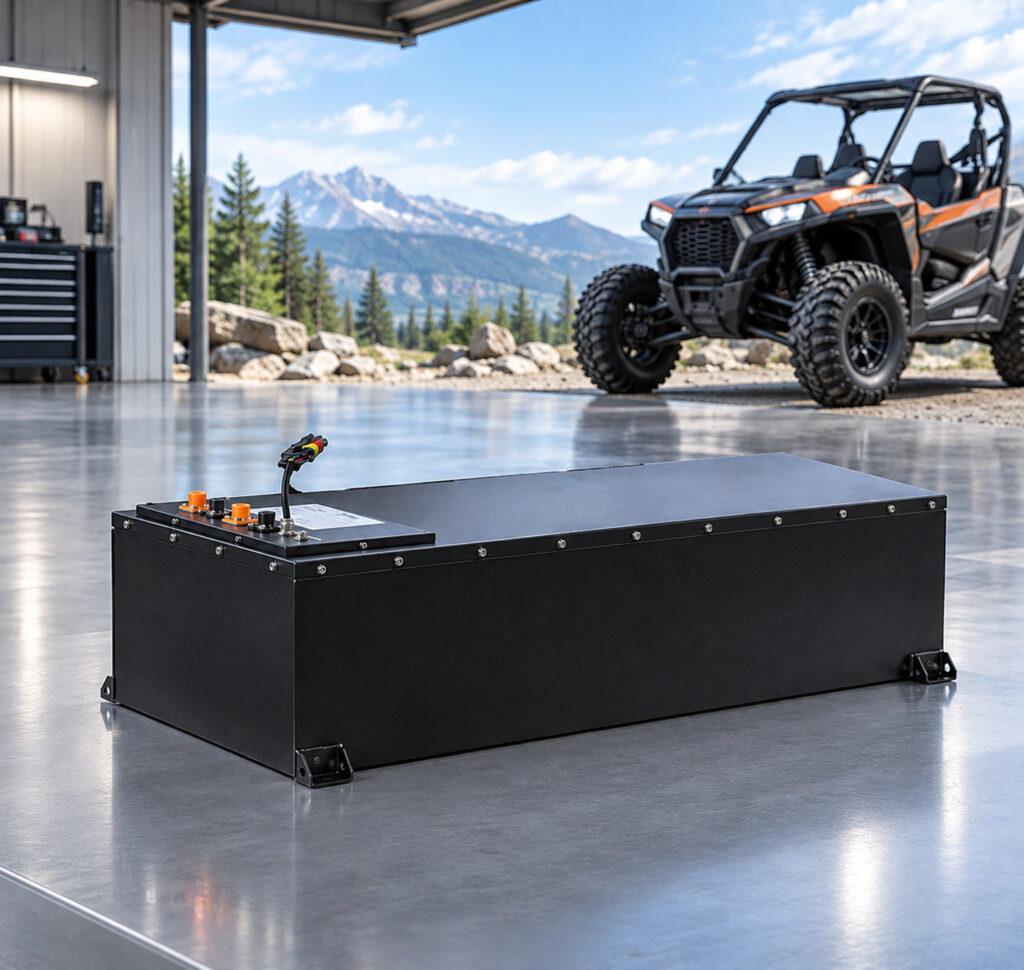

Choosing between a 72V lithium golf cart battery and a 48V system is one of the most common decisions owners face when planning a lithium battery upgrade for golf carts. Higher voltage delivers more power and efficiency, but it is not automatically the better choice for every cart or use case. Real-world performance depends on your terrain, desired speed, existing components, budget, and how you actually use the vehicle.
Most modern golf carts (Club Car, EZ-GO, Yamaha, and similar) ship as 48V systems. A same-voltage lithium upgrade is usually a relatively straightforward drop-in that replaces a heavy lead-acid bank with a single lighter pack. Moving to 72V is a full system conversion that requires matching controller, motor, solenoid, charger, and often upgraded brakes and wiring. Understanding the physics and practical trade-offs helps you avoid costly mistakes.
Performance Comparison: Speed, Torque, Range, and Efficiency
Voltage directly affects available power because power (watts) equals voltage times current. A 72V lithium golf cart battery can deliver the same power at lower amperage than a 48V pack. Lower current reduces resistive heating losses in cables, controller, and motor (following Joule’s law, heat scales with the square of current). The result is cooler running components, better sustained performance, and often higher overall efficiency under load.
Typical real-world figures from industry testing and owner reports include:
- 48V lithium: Top speeds of roughly 19–25 mph on stock or lightly modified carts; strong hill-climbing for moderate grades; typical ranges of 30–60 miles depending on capacity (commonly 100–150+ Ah packs), terrain, load, and tire size.
- 72V lithium: Potential top speeds of 25–40+ mph with appropriate controller and motor upgrades; superior torque for steep hills, heavy passenger loads, or lifted carts; ranges often 50–80+ miles with similar amp-hour ratings because of higher energy storage (watt-hours) and efficiency.

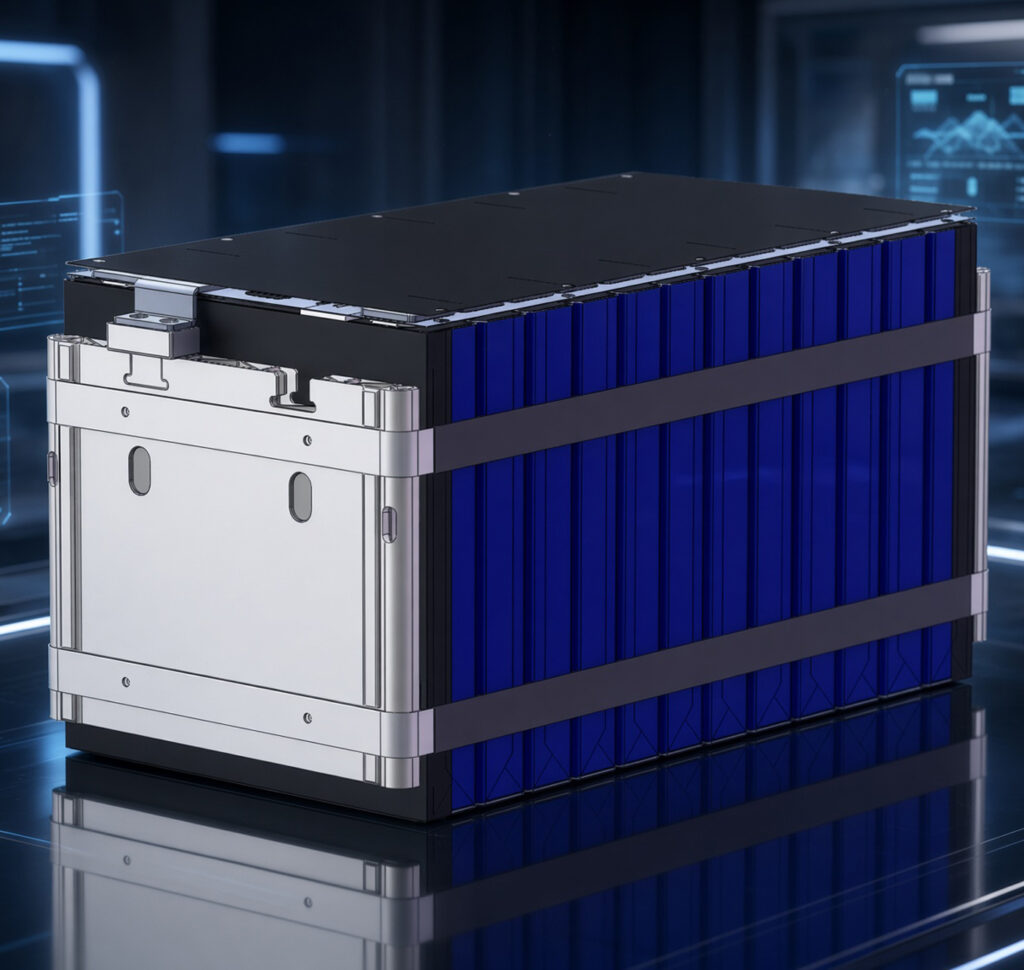
Lithium chemistry (almost always LiFePO4 in this application) benefits both voltages. You gain a flat discharge curve so the cart does not slow as the pack empties, 50–70% weight reduction versus lead-acid (often 200–300 pounds lighter), 3,000–6,000+ cycle life versus a few hundred for flooded batteries, near-zero maintenance, and much faster charging. Usable capacity approaches 100% of rated energy instead of the ~50% practical limit of lead-acid.
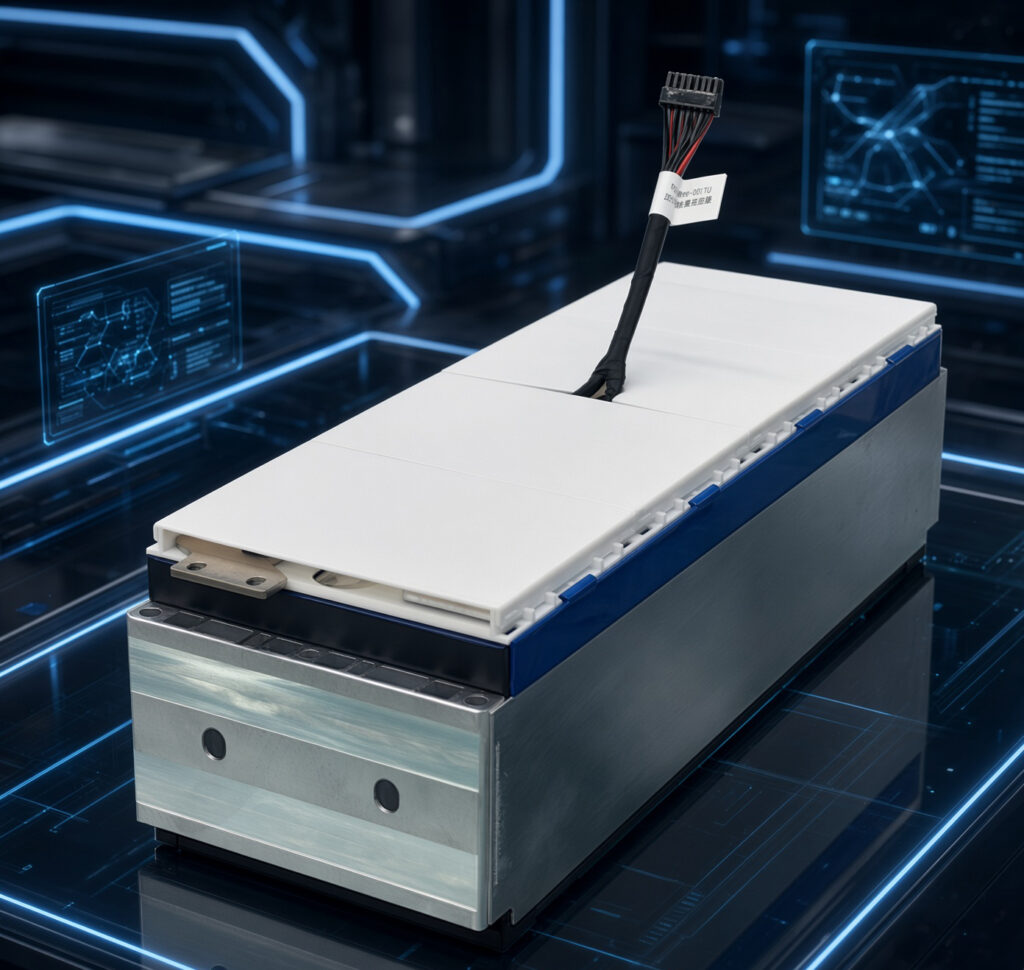
A concrete example: a 48V 105 Ah LiFePO4 pack stores about 5.4 kWh and typically weighs under 100 pounds. A comparable 72V 105 Ah pack stores roughly 7.4 kWh and still weighs far less than a traditional lead-acid bank. The extra energy and lower current draw translate into longer range and stronger performance, but only if the rest of the drivetrain can use it safely.
When a 48V Lithium Upgrade Is the Better Choice
For the majority of owners, staying at 48V and upgrading chemistry is the smarter move. A quality 48V LiFePO4 pack:
- Drops in with minimal or no changes to the existing controller and motor on most modern carts.
- Provides plenty of acceleration and hill power for standard golf courses, neighborhood driving, and light utility use.
- Costs less upfront (complete kits often fall in the $1,800–$3,500 range installed, depending on capacity and brand).
- Avoids the complexity, cost, and potential safety issues of a voltage conversion.
- Improves braking, handling, and turf impact simply through massive weight reduction.
If your cart already struggles on hills or you simply want longer range and zero maintenance, a higher-capacity 48V pack (150–200 Ah) often solves the problem without touching the rest of the electrical system. Many owners report that a well-executed 48V lithium upgrade feels transformative compared with worn lead-acid batteries—even before considering any voltage increase.
When 72V Makes Sense
A 72V lithium golf cart battery shines in specific situations:
- Steep or continuous hills where 48V systems bog down under load.
- Lifted carts with larger tires that demand more torque.
- Desire for significantly higher top speed (street-legal low-speed vehicle use or large resort/property travel).
- Heavy commercial or multi-passenger shuttle duty.
- Existing 72V architecture or a full performance build.
The efficiency advantage is real: lower amperage for the same power reduces heat and can improve component longevity when the system is properly engineered. Range gains are also common because of higher stored energy. However, these benefits only appear after the controller, motor, contactor/solenoid, charger, and wiring are all rated for the higher voltage. Feeding 72V into a stock 48V controller will destroy the electronics.
A proper 48V to 72V golf cart conversion is a system project, not a battery swap. Budget for a compatible high-voltage controller (Navitas or equivalent), possible motor upgrade (especially for AC systems), stronger brakes if speeds will rise substantially, and professional installation or thorough DIY knowledge. Total costs frequently run several thousand dollars higher than a same-voltage lithium upgrade.
Cost, Compatibility, and Total Ownership Considerations
Upfront price favors 48V. 72V packs and the required supporting components cost more because they contain more cells, a higher-voltage BMS, and face lower production volumes. Over a 8–12 year lifespan, both chemistries usually win on total cost of ownership versus repeated lead-acid replacements, but the 48V path reaches payback sooner for typical private owners.
Compatibility checks are essential:
- Confirm controller voltage rating and current limits.
- Verify motor capability and gearing.
- Ensure physical fit in the battery tray (72V packs are sometimes larger).
- Match the charger exactly to the pack’s voltage and chemistry.
- Upgrade brakes, tires, and suspension if higher speeds are expected.
- Check local regulations for low-speed vehicles if you intend street use.
Safety matters more at higher voltages. Proper fusing, cable sizing, secure mounting, and a quality BMS with cell balancing, temperature monitoring, and protection features are non-negotiable. Many modern packs include Bluetooth monitoring so you can track state of charge, voltage, and temperature from your phone.
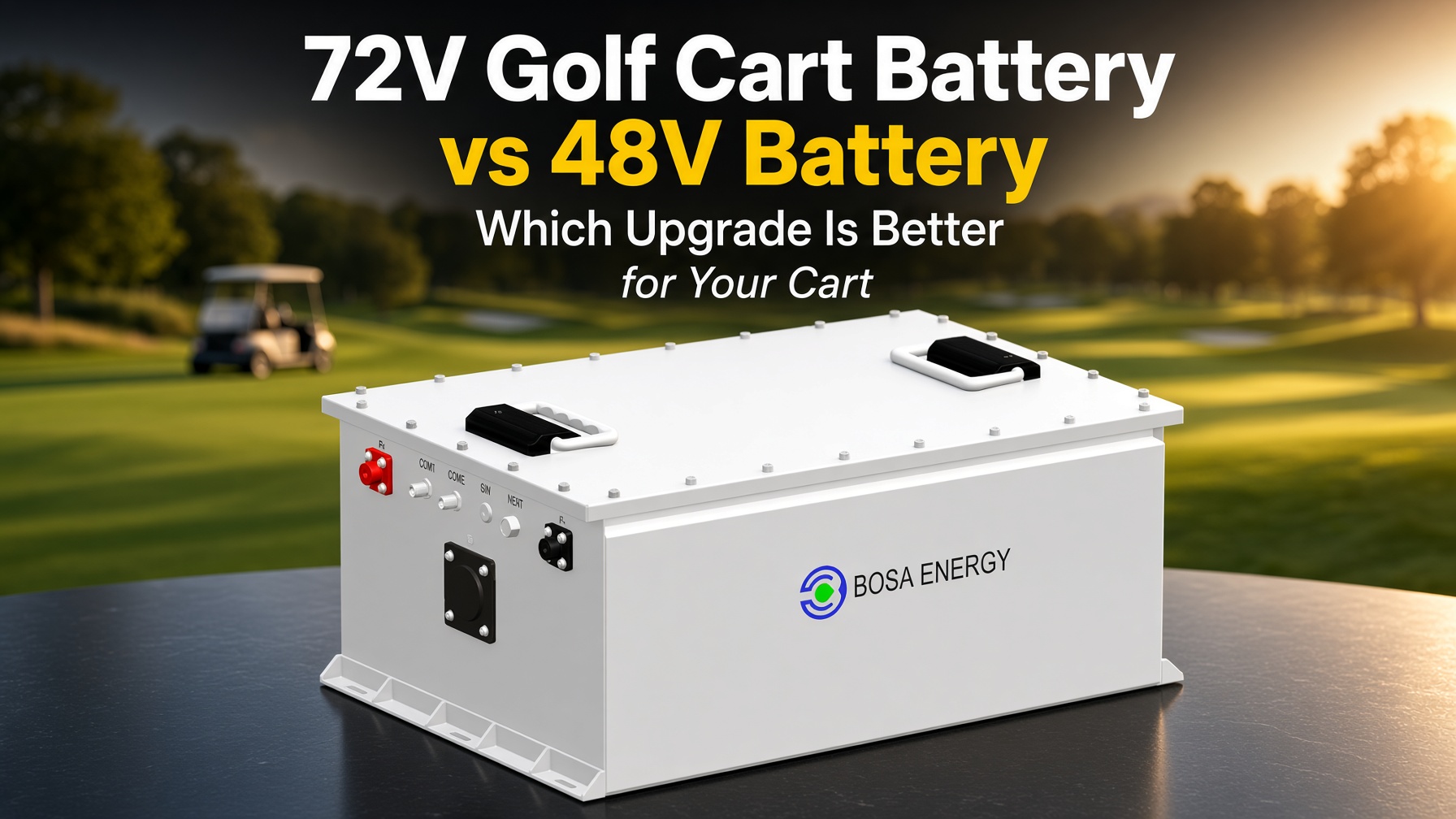
72V Golf Cart Battery vs 48V Battery: Which Upgrade Is Better for Your Cart?
The honest answer is use-case dependent. For everyday golf, neighborhood, and light utility driving on flat-to-moderate terrain, a high-quality 48V lithium upgrade almost always delivers the best combination of performance, reliability, cost, and simplicity. It solves the classic lead-acid problems (weight, maintenance, voltage sag, short life) without requiring a drivetrain overhaul.
Choose 72V when your specific needs exceed what an optimized 48V system can provide—sustained steep hills, high speed, heavy loads, or a deliberate performance build. In those cases the extra investment and engineering complexity pay off in capability and efficiency.
In the 72V vs 48V golf cart performance comparison, voltage is only one variable. Capacity (amp-hours or watt-hours), controller tuning, motor type, tire size, and maintenance all influence the final result. Starting with a matched lithium chemistry upgrade at your cart’s existing voltage is the lowest-risk, highest-return step for most owners. Only after that experience should you evaluate whether a full voltage conversion is justified.
التعليمات
Can I just drop a 72V battery into my 48V cart? No. The controller, solenoid, and usually the motor must be rated for the higher voltage. Doing otherwise risks immediate component failure.
Which voltage gives better range? 72V packs of similar amp-hour rating store more energy and often achieve longer range due to efficiency, but a high-capacity 48V pack can match or exceed many 72V setups for typical use.
Is lithium safe in a golf cart? Yes, when using LiFePO4 chemistry with a proper BMS, correct installation, and a compatible charger. LiFePO4 is more thermally stable than other lithium types commonly used in other applications.
How much weight do I actually save? Typically 200–300 pounds compared with a full lead-acid bank. The difference is immediately noticeable in acceleration, braking, and handling.
Do I need a new charger? Yes. Lithium requires a charger with the correct voltage and charging profile. Using a lead-acid charger can damage the pack or fail to charge it properly.
What is the best lithium voltage for golf cart for most people? For the large majority of stock or lightly modified carts used on courses and in neighborhoods, 48V remains the practical sweet spot.