
When many people first encounter power batteries or energy storage batteries, they get confused by three terms: cell, module, and pack. They all refer to “battery,” but they refer to completely different things: from a small cylinder the size of a single AA battery to a large metal box weighing hundreds of kilograms that can be hoisted under a car.
The simplest way to understand the three is to look at the integration level: the battery cell is the most basic electrochemical energy storage unit; a number of battery cells are connected in series and parallel in a certain way, and the structure is fixed and electrically connected to form a module; and then several modules, together with the management system, thermal management, and protective casing are integrated into a whole that can be directly loaded into cars and cabinets, which is the battery pack . In short – the cells are put into the module, and the module is put into the PACK, layer by layer.
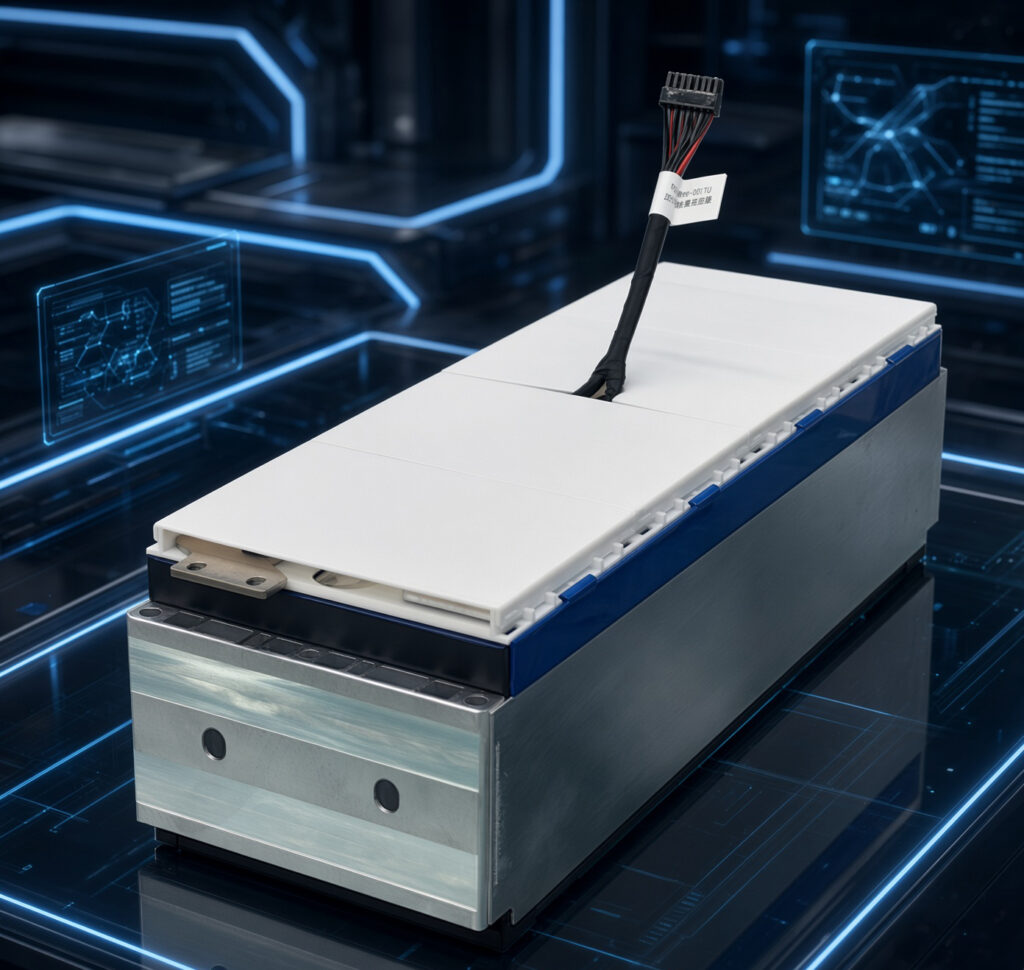
1. Cell: The smallest energy storage unit. The battery cell is the smallest and the only unit that truly “stores electricity” in the battery system. Its essence is a closed electrochemical system: positive electrode, negative electrode, separator, electrolyte and outer shell. Charging and discharging are completed through the insertion and extraction of lithium ions back and forth between the positive and negative electrodes. The voltage of a single battery cell is determined by the material system – for example, the nominal voltage of a lithium iron phosphate battery is about 3.2V, and that of a ternary lithium battery is about 3.6~3.7V. This has nothing to do with how big or what shape it is made into.
1.1 Three Packaging Forms: Cylindrical, Prismatic, and Pouch Cells. Each battery cell can be made into one of three mainstream forms, each with its own advantages and disadvantages:
Cylindrical Cells: Such as 18650, 21700, and the 4680 promoted by Tesla. Steel casing winding, high standardization, uniform heat dissipation, and mature production lines. However, a large number of closely packed cylindrical cells can leave gaps, requiring additional filling during assembly.
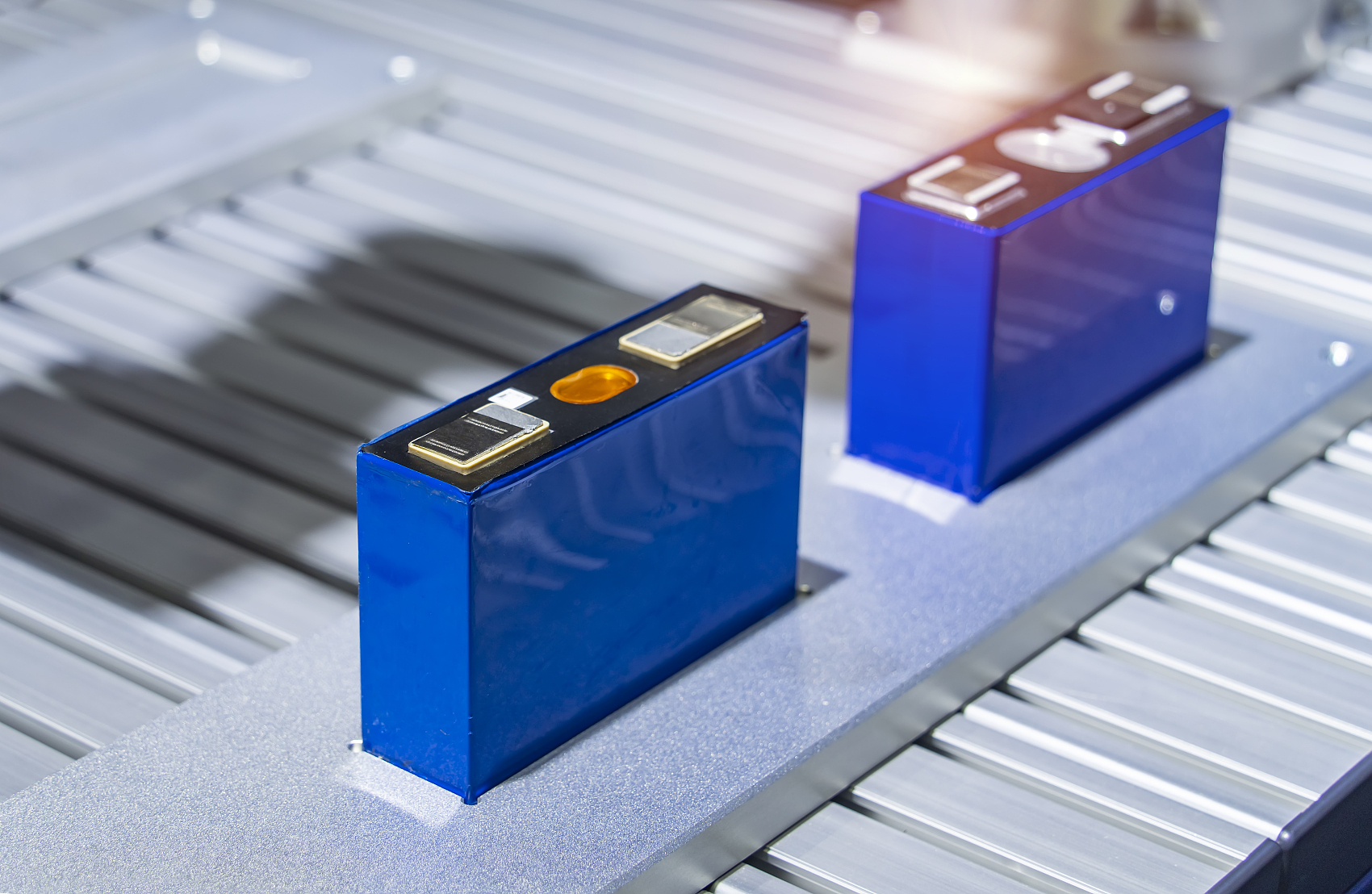
Prismatic Cells: Aluminum or steel casing rigid packs, the mainstream choice for passenger vehicles and energy storage in China. High space utilization, easy to arrange compactly, and better mechanical strength than pouch cells, making them the carrier for structures like blade batteries.
Pouch Cells: Aluminum-plastic film encapsulation, no rigid outer shell, lightest weight, and can achieve the highest energy density. However, weaker mechanical strength, higher requirements for assembly protection, and more challenging expansion control.
1.2 A Set of Essential Numbers
Connecting battery cells in series adds up the voltage; connecting them in parallel adds up the capacity. This is fundamental to understanding the entire battery system.
For a very intuitive example: four 3.2V lithium iron phosphate cells connected in series → 12.8V; if you connect another set of four identical cells in parallel, the capacity doubles while the voltage remains the same.
In other words, the voltage ceiling of a single battery cell is determined by the material. To achieve a high-voltage platform of several hundred volts for the entire vehicle, the only way is to connect hundreds or thousands of cells in series and parallel. And “how to connect them in series, how to parallel, how to fix them, and how to dissipate heat” are precisely the problems that modules and packs need to solve.
2. Module: The Intermediate Layer Connecting the Cells and the Battery Pack
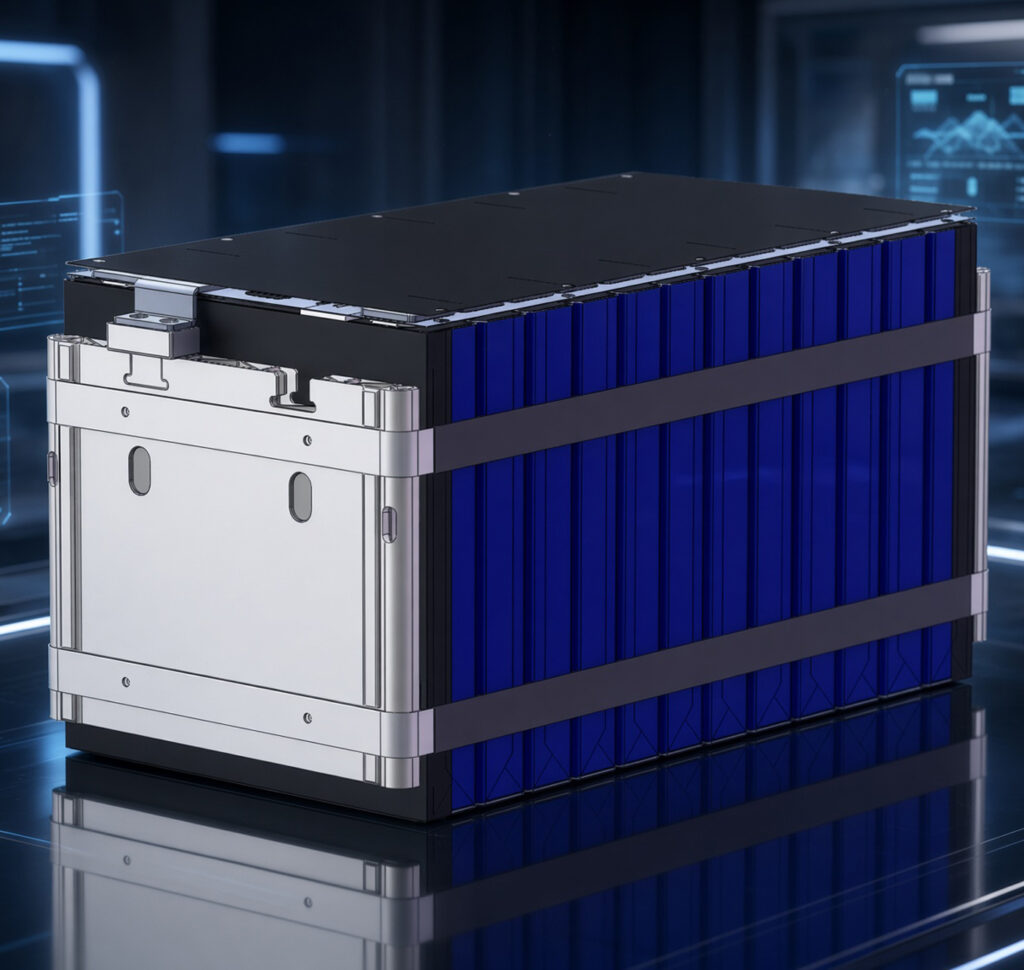
A module is formed by arranging several battery cells in a pre-designed series-parallel configuration, along with end plates, side plates, a busbar, sampling harnesses, and necessary heat dissipation structures. It serves as the intermediate layer between the battery cells and the battery pack, acting as a bridge between them.
2.1 Two Real Values of Battery Modules
• Repairability: If a cell or part of the battery malfunctions, the corresponding module can be removed and replaced without affecting the rest, keeping maintenance costs under control.
• Reusability: Different vehicle models and different battery capacity requirements can be adapted by increasing or decreasing the number of modules, eliminating the need to develop an entire battery pack for each model, resulting in a high degree of platformization.
2.2 Cost: The benefits of the 30-40% module weight loss due to structural components are substantial, but the cost is equally clear.
The module’s casing, end plates, bolts, brackets, wiring harnesses, and cooling plates—these parts don’t store a single gram of energy; they purely contribute weight and volume. In the industry, they are called “non-energy storage components.” In traditional layered structures, the cell weight only accounts for 60-70% of the entire battery pack; the remaining 30-40% is entirely consumed by structural components. This proportion has a proper name: pack efficiency.
3. Battery Pack (PACK): A Complete System Ready for Direct Vehicle Installation
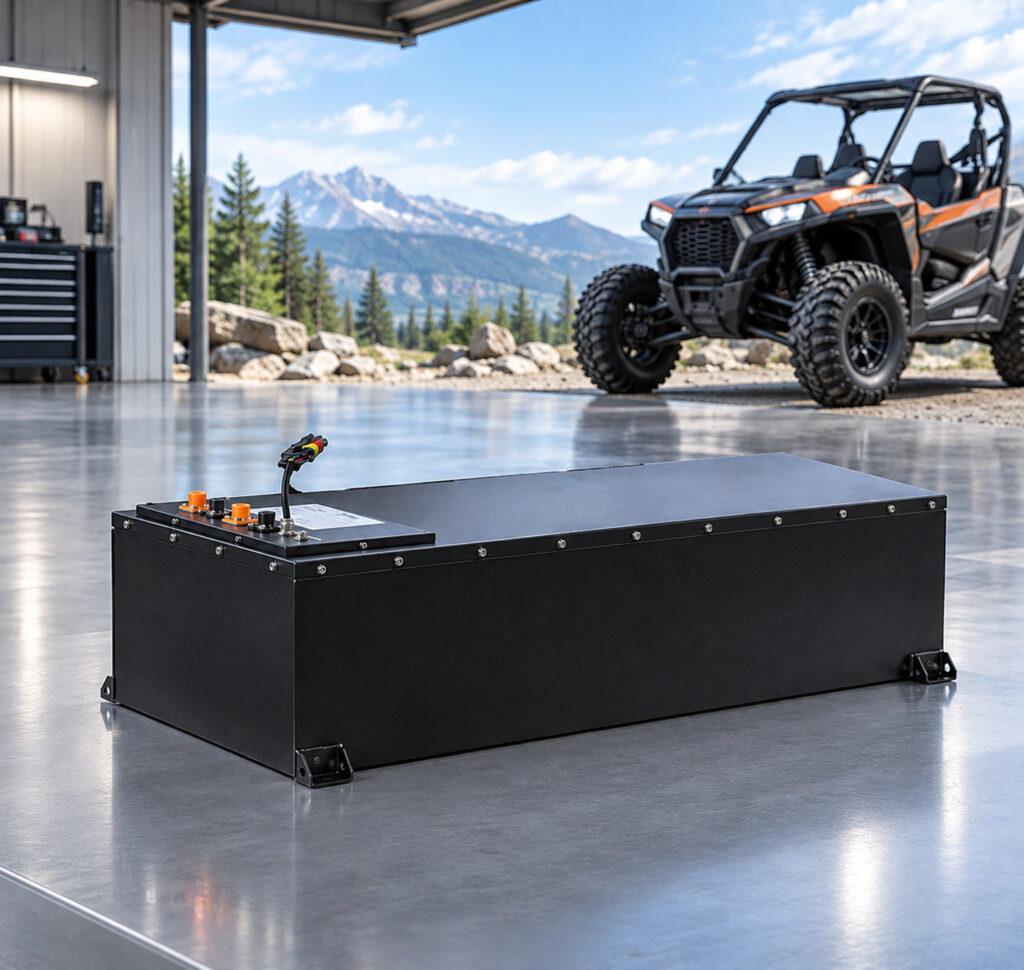
A battery pack is a complete battery system that can be directly installed onto a vehicle body and secured by tightening a few bolts, by assembling several modules into a large casing, along with a BMS, thermal management system, high-voltage box, electrical connections, and mechanical protection.
It is a truly market-oriented “product” delivered to OEMs or energy storage integrators.
3.1 Five Components of a Battery Pack
Cell/Module – “Energy Source”: The core energy storage unit, used for series connection to increase voltage and parallel connection to increase capacity.
Battery Management System (BMS) – “Smart Brain”: Monitors the voltage and temperature of each cell, responsible for charge/discharge control, equalization management, SOC/SOH estimation, fault diagnosis and protection, and external communication.
Thermal Management System – “Temperature Manager”: Maintains the battery within its optimal operating range. Mainstream solutions include air cooling, liquid cooling, and direct cooling. Liquid cooling is the primary method for large-capacity applications. Temperature difference control directly affects battery life and safety.
Electrical Connection System – “Neural Network”: Busbars, flexible connections, high-voltage connectors, and wiring harnesses enable electrical conduction between cells and within and outside the pack.
Mechanical Structure and Shell – “Armor”: Housing, end plates, side plates, and fasteners provide physical protection and structural support, withstanding impacts, water, and fire.