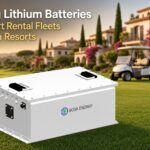

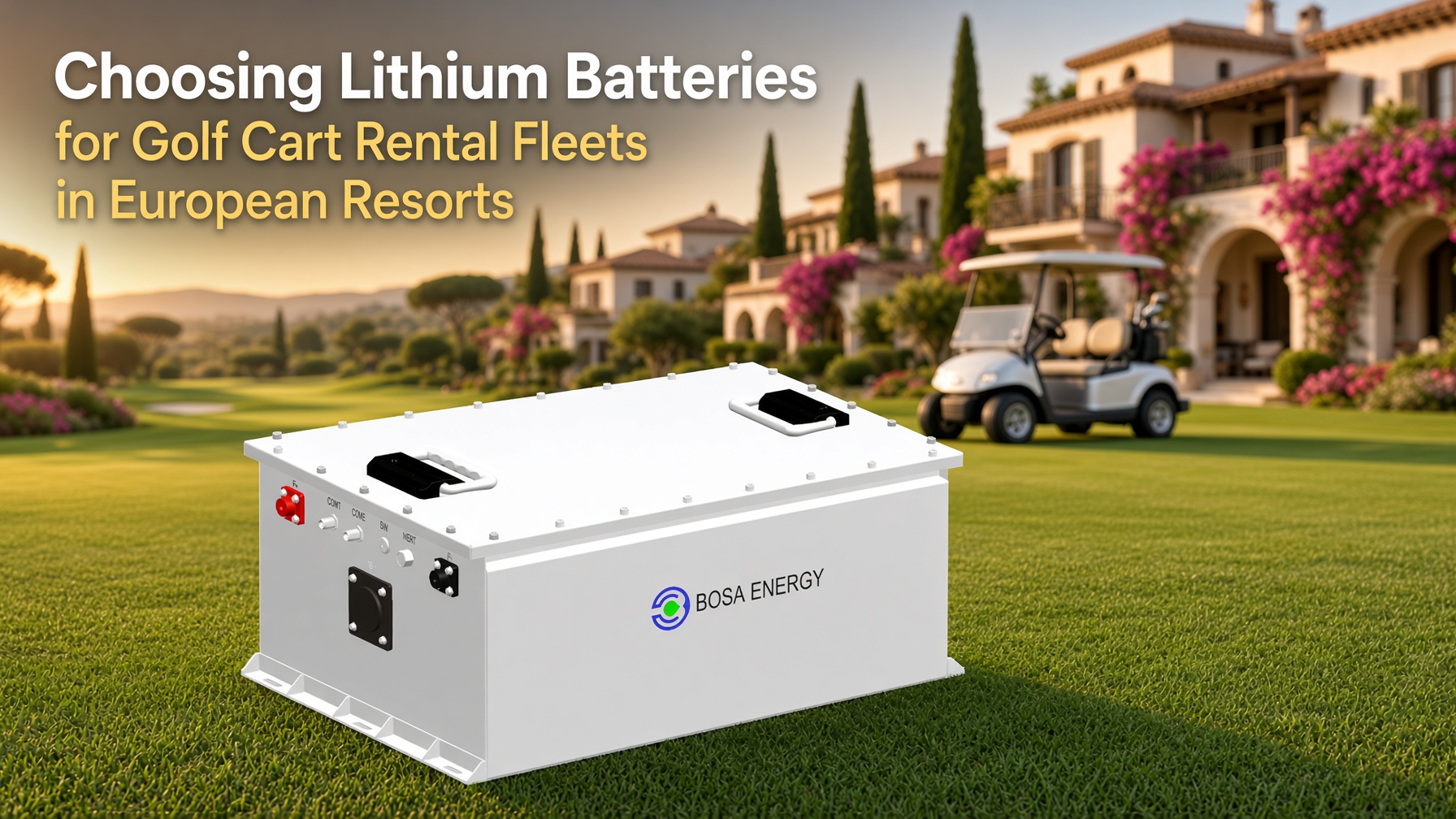
European golf resorts face unique operational pressures when managing rental golf cart fleets. Seasonal tourism peaks, variable climates ranging from Mediterranean heat to Alpine cold, strict sustainability expectations, and the need for consistent guest experiences all demand reliable power solutions. Choosing Lithium Batteries for Golf Cart Rental Fleets in European Resorts has become a strategic priority for operators seeking lower long-term costs, reduced maintenance, and better performance under real-world conditions.
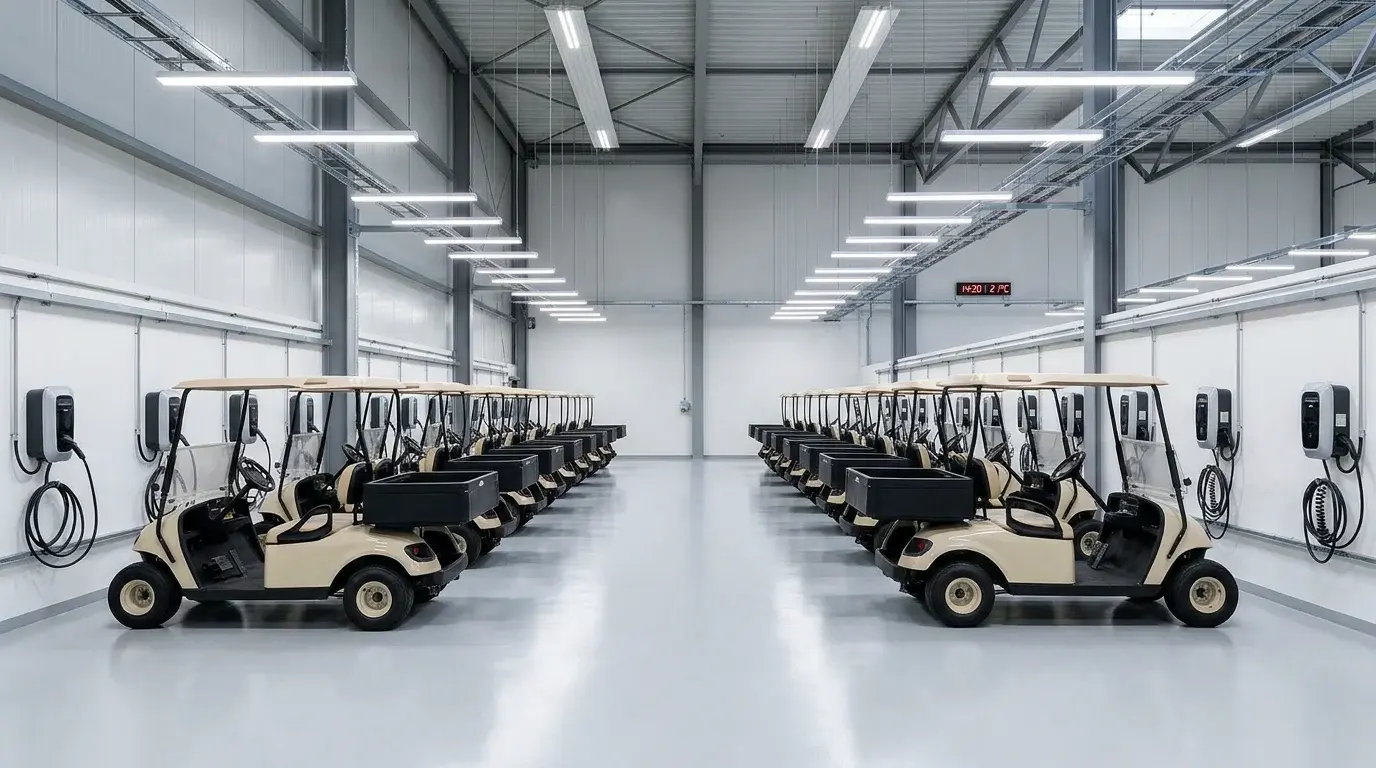
Traditional lead-acid batteries still power many fleets, yet their limitations become especially costly in high-utilization rental settings. Flooded lead-acid packs typically deliver only 300–800 cycles at 50 percent depth of discharge, require regular watering and terminal cleaning, and lose significant capacity in cooler temperatures. In contrast, lithium iron phosphate (LiFePO4) batteries routinely achieve 2,500–5,000+ cycles, support 80–100 percent usable capacity, and operate with near-zero routine maintenance.
Why Lithium Outperforms Lead-Acid for Resort Rental Operations
Lithium batteries for golf cart rental fleets deliver measurable advantages in daily turnaround and guest satisfaction. A typical 48-volt lithium pack weighs 50–70 percent less than an equivalent lead-acid bank, reducing stress on suspension and tires while improving acceleration and hill-climbing on undulating European courses. Voltage remains stable throughout the discharge cycle, so carts do not slow noticeably near the end of a round—an important factor when guests expect consistent performance.
Charging speed further differentiates the technologies. Lithium systems commonly reach full charge in 1.5–4 hours versus 8–12 hours for lead-acid, enabling opportunity charging during lunch breaks or between morning and afternoon shifts. This higher utilization rate allows resorts to serve more rounds with fewer carts, directly improving return on fleet investment during peak summer months in Spain, Portugal, Italy, and southern France.
Energy efficiency reaches approximately 95 percent with lithium versus 70–85 percent for lead-acid, lowering electricity costs and supporting the renewable-energy targets many European resorts now pursue. Real-world examples include Aphrodite Hills Resort in Cyprus, which replaced its aging fleet with lithium-powered Club Car Tempos and reported shorter charging times, longer lifespan, and stronger performance on hilly terrain. Similarly, Celtic Manor Resort in Wales documented substantial annual fuel-cost savings after switching to lithium-ion vehicles as part of its broader sustainability program.
Key Selection Criteria for European Resort Fleets
When evaluating LiFePO4 batteries in European resort environments, operators should prioritize several practical factors beyond headline cycle life.
Voltage and capacity matching remain fundamental. Most modern carts use 48-volt systems; a properly sized 48-volt 100–150 Ah LiFePO4 pack typically supplies enough energy for two to three full rounds under mixed terrain and passenger loads. Higher continuous current ratings (200–300 A) suit hilly courses or six-passenger models common at larger resorts.
Built-in battery management systems (BMS) must include low-temperature charge protection. Many European locations experience winter temperatures near or below freezing. LiFePO4 chemistry tolerates discharge down to approximately −20 °C, yet charging below 0 °C can cause lithium plating and permanent capacity loss. Quality packs either block charging until cells warm or incorporate self-heating elements. Operators should confirm charge and discharge temperature ranges with the supplier and plan indoor or temperature-controlled charging areas for off-season or shoulder-season storage.
Sealed construction and corrosion resistance matter in coastal Mediterranean resorts where salt air accelerates terminal corrosion on flooded lead-acid batteries. Lithium packs eliminate acid fumes and watering, cutting labor hours and reducing environmental risk around sensitive turf and water features.
Warranty length, communication protocols (CAN bus or similar for fleet telematics), and charger compatibility also influence total ownership experience. Drop-in kits that work with existing controllers simplify retrofits, while new carts designed around lithium architecture maximize the weight and efficiency gains.
Total Cost of Ownership and Operational Economics
Although lithium packs carry higher upfront cost—often two to three times that of a comparable lead-acid bank—the total cost of ownership for lithium golf cart fleets frequently favors lithium within two to four years for high-use rental operations. A single lithium pack lasting 8–12 years replaces two or three lead-acid sets. Maintenance labor drops dramatically: no weekly watering, no equalization charges, and minimal terminal cleaning. Energy savings from higher efficiency and reduced vehicle weight compound over time.
Fleet managers report that faster charging increases daily cart availability by 20–30 percent in peak season, generating incremental rental revenue that further accelerates payback. Downtime for battery-related issues also falls, protecting guest satisfaction scores that directly affect online reviews and repeat bookings.
Choosing Lithium Batteries for Golf Cart Rental Fleets in European Resorts therefore requires looking beyond purchase price to multi-year cash flow, labor availability, and regulatory alignment with EU sustainability directives.
Climate Adaptation and Seasonal Considerations
European resorts span diverse microclimates. Southern coastal properties contend with summer heat above 35 °C and high humidity, while Alpine and northern venues face prolonged cold and shorter operating seasons. Lithium chemistry handles both extremes more gracefully than lead-acid when properly specified.
In heat, LiFePO4 retains capacity better and avoids the accelerated corrosion and water loss common in flooded batteries. In cold, capacity reduction is typically milder (often 10–25 percent at 0 °C versus 20–50 percent for lead-acid), provided charging occurs only within approved temperature windows. Many operators store unused carts indoors at 50–60 percent state of charge during winter hibernation, a practice that preserves lithium longevity with minimal self-discharge.
Cold-weather performance of lithium golf cart batteries improves further with optional heating elements or smart BMS algorithms that precondition packs before charging. Resorts that experience occasional frost should verify these features rather than assume all lithium packs are identical.
Implementation Best Practices for Rental Fleets
Successful transitions begin with a pilot of 10–20 carts. Measure real energy consumption per round under typical guest loads, then size packs accordingly. Train staff on the different charging and storage rules; lithium does not require full charges after every use and tolerates partial cycles well. Integrate basic telematics so supervisors can monitor state of charge and schedule charging windows efficiently.
Zero-maintenance lithium golf cart systems free maintenance teams to focus on mechanical issues rather than battery upkeep, improving overall fleet readiness. Pair the switch with existing sustainability reporting so the reduced energy use and eliminated acid handling contribute to measurable emissions reductions—valuable for resorts pursuing GEO certification or EU green-tourism credentials.
Preguntas frecuentes
How much longer do lithium batteries last in high-use rental fleets?
Quality LiFePO4 packs typically deliver 8–12 years or 2,500–5,000 cycles under proper conditions, compared with 2–5 years for lead-acid in similar duty cycles.
Do lithium batteries work in cold European winters?
Yes for discharge, provided the pack stays above its rated minimum. Charging must occur above 0 °C unless the pack includes low-temperature charging protection or heating. Many resorts simply charge indoors or after the day’s operation when packs are warmer.
What is the typical payback period versus lead-acid?
For fleets running daily in season, many operators recover the premium within 18–36 months through avoided replacements, lower maintenance, higher utilization, and energy savings.
Can existing lead-acid chargers be used?
No. Lithium requires dedicated chargers matched to the BMS. Using an incompatible charger risks damage and voids warranties.
Are there safety or regulatory advantages?
Sealed LiFePO4 packs eliminate sulfuric acid and hydrogen gassing risks. They also support the shift toward quieter, lower-emission fleets favored by European sustainability frameworks.
Choosing Lithium Batteries for Golf Cart Rental Fleets in European Resorts aligns operational reliability with guest expectations and long-term financial performance. Operators who evaluate packs against actual route profiles, climate extremes, and charging infrastructure consistently find that lithium chemistry reduces both cost and complexity while elevating the overall resort experience.