
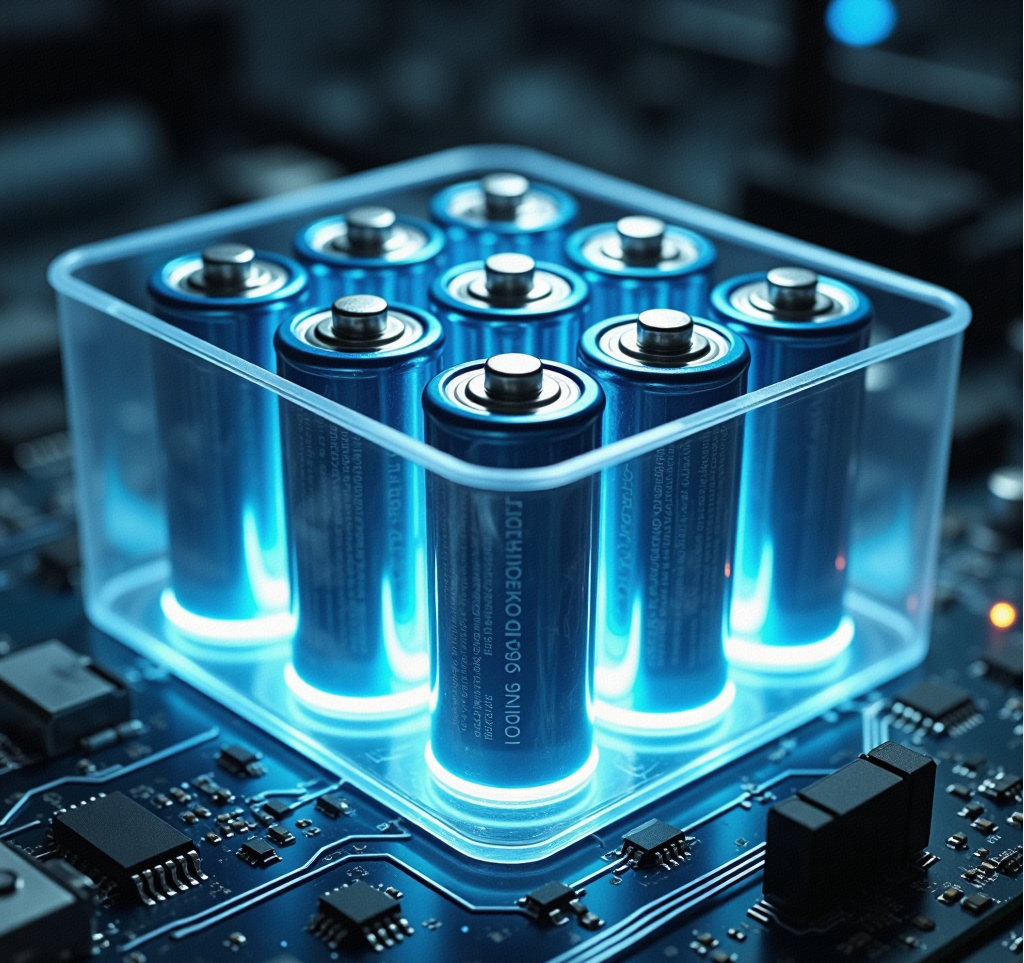
Battery sorting refers to selecting appropriate variables such as battery ohmic internal resistance, polarization internal resistance, open circuit voltage, rated capacity, charge and discharge efficiency, self-discharge rate, etc., and classifying batteries through sorting, and classifying batteries with good battery parameter consistency into the same category. It is mainly to improve the consistency of internal characteristics after battery grouping, so as to improve the efficiency of module use and extend its service life.
Battery sorting methods mainly include single factor method, multi-factor method, dynamic sorting method, etc.
Single factor sorting
Refers to selecting a certain parameter of the battery as the only sorting variable. The selected variables usually include the battery’s ohmic internal resistance, the battery’s polarization internal resistance, the battery’s charging cut-off voltage, the battery’s capacity, etc.
Multi-factor sorting
Refers to selecting multiple representative parameters of the battery as the battery’s sorting variables. Common sorting variables are similar to the single parameter sorting method, but usually more than two of them are selected.
Dynamic sorting
Refers to using certain values of the battery as sorting variables when the battery is in the charge and discharge state, such as dynamic DCIR, charge and discharge curves, and sorting the battery based on this. The relationship between the battery’s internal parameters and battery performance under the charge and discharge state is considered, and the change trend of the sorting variable during the battery’s charge and discharge process can be better reflected.
文章内容
Bosa Energy
Bosa Energy with 150GWH capacity and over 400,000 electric bus/utility vehicle application experience we are listing first 5 in China power battery industry. We cooperate with Yutong/Geely/Damiler etc.
We are also offering Container ESS systems and delivered 6GWh in 2024(=75,000 Model3 with 80kWh battery). In local market, we are offering OEM service for Changan, CALB, National grid, Ping Gao Electric , Xuji electronics, Ruineng electronics, they are our main Container ESS suppliers in China Market.
We are the most professional supplier of marine lithium batteries in China, and our export volume of marine batteries consistently ranks among the top three in China; We are also the top 1 exporter of lithium battery modules in China, specializing in providing various lithium battery module solutions.
For excellent quality and performance our products are popular in more than 30 countries in the world. We also have established warehouse in Germany and Netherlands to provide safety stock timely delivery for our customers.
l Customized and Flexible
l High Delivery capacity
l Wide Applications
l Rich experience on Lithium battery pack